
English and Comparative Literary Studies: Study Skills

Study Skills
Study skills encompasses the academic and professional skills which enable you to succeed at university.
Study skills includes reading, note-taking, critical thinking, planning, writing, referencing, presentation, revision and examination skills. For economics students, they might also include mathematics and statistics.
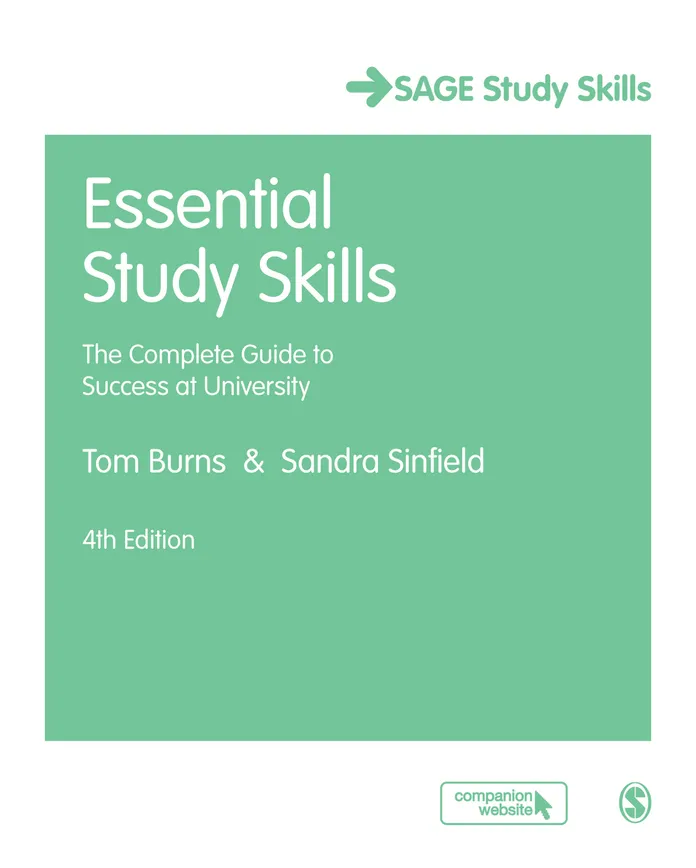
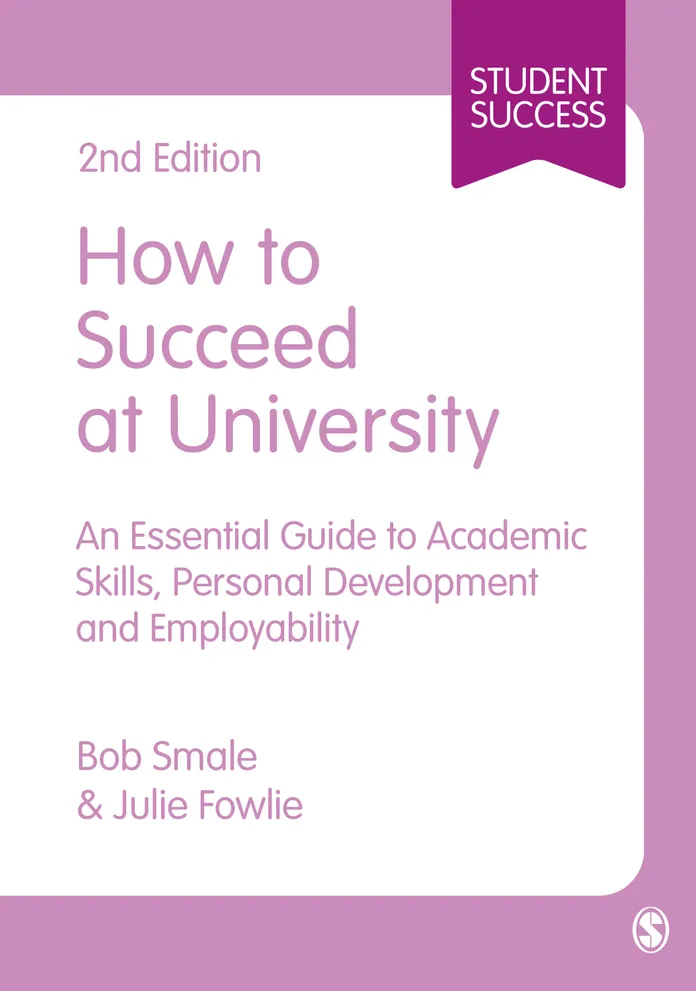
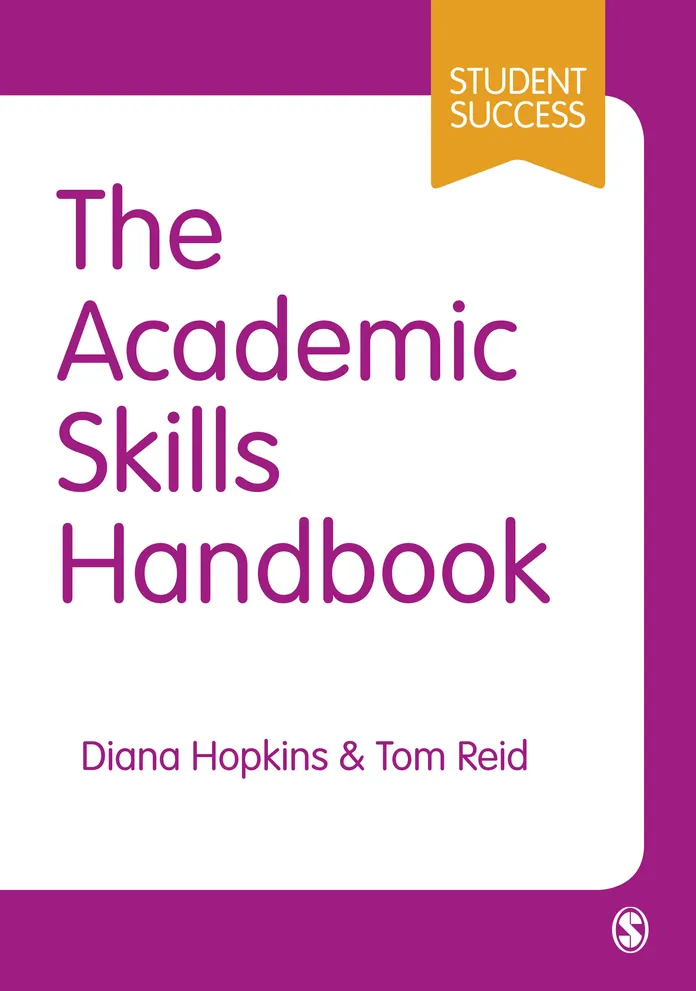
This guide highlights a range of study skills courses, events and books available to economics students on transition to university, for assessments and examinations, and for dissertations and theses.
Library Online Courses

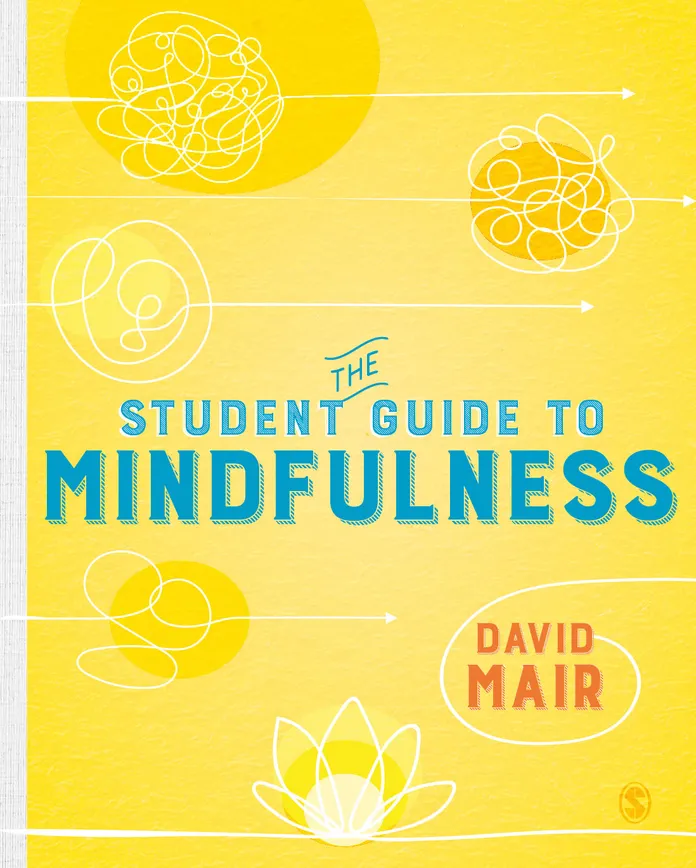
The library has a range of self-study courses to support study skills from library inductions for new students, literature searching, academic writing, plagiarism and referencing, to mindfulness and meditation.
 Get Started:


Productivity Tools

LinkedIn Learning

New for 2024/25, LinkedIn Learning is now available to all university students and staff.
LinkedIn Learning is an online learning platform of 20,000+ personal development courses including business and management, information technology and creative skills, keeping you up-to-date in the classroom and workplace.
Academic Essentials

Whether you're just starting your university journey or looking to refresh your academic skills, this resource is here to support you throughout your time at Warwick.
On these pages, you'll find essential information and practical advice from current students to help you navigate your academic experience with clarity and confidence. It includes sections on Navigating University Studies (which includes information about terminology, digital platforms, and available support), Learning at Warwick (which includes information about time management, reading lists, and study spaces), and Understanding Academic Integrity.

Sage Catalyst and Research Methods

Sage Catalyst contains a collection of over 150 study skills and research methods ebooks.
Sage Research Methods is a collection of books, videos, and podcasts on quantitative and qualitative research methods, and includes a Research Project Planning tool.
AM Research Skils

AM Research Skills helps to develop the skills needed to interact with primary sources in research. It introduces how to find, understand, and critically evaluate sources of information allowing for the exploration of concepts and methods using relevant source material, expert essays and case studies.
The essays, videos and case studies included aim to share methodological advice on everything from archival collection practice to ways of conducting research and organising your writing. These are accompanied by primary source examples and data sets for putting the skills developed into practice.
Each Case Study in AM Research Skills focuses on a specific digitised primary source, revealing how scholars approach evaluating different types of source or themes in history. Case studies are structured in a way that helps you work through the steps a scholar may take when interacting with the source, which will be embedded in each case so you can follow any analysis or see any specific images that they cite.
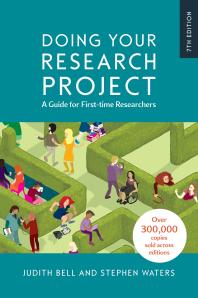
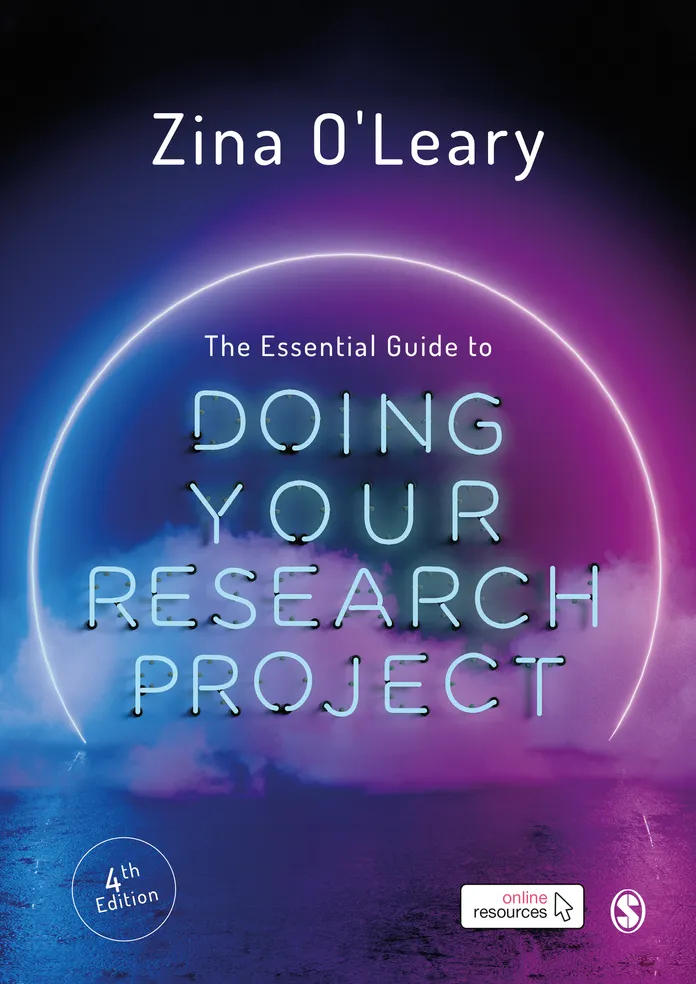
Dissertation and Thesis Books


Contact
- University of Warwick Library
Gibbet Hill Road
Coventry
CV4 7AL - Telephone: +44 (0)24 76 522026
- Email: library at warwick dot ac dot uk
- More contact details